Loading...
The Healf Source
What Does Your Sleep Position Mean?
Here's what the science says, and how to harness your sleep for ultimate wellbeing.
Written by: Pippa Thackeray
Written on: January 4, 2025
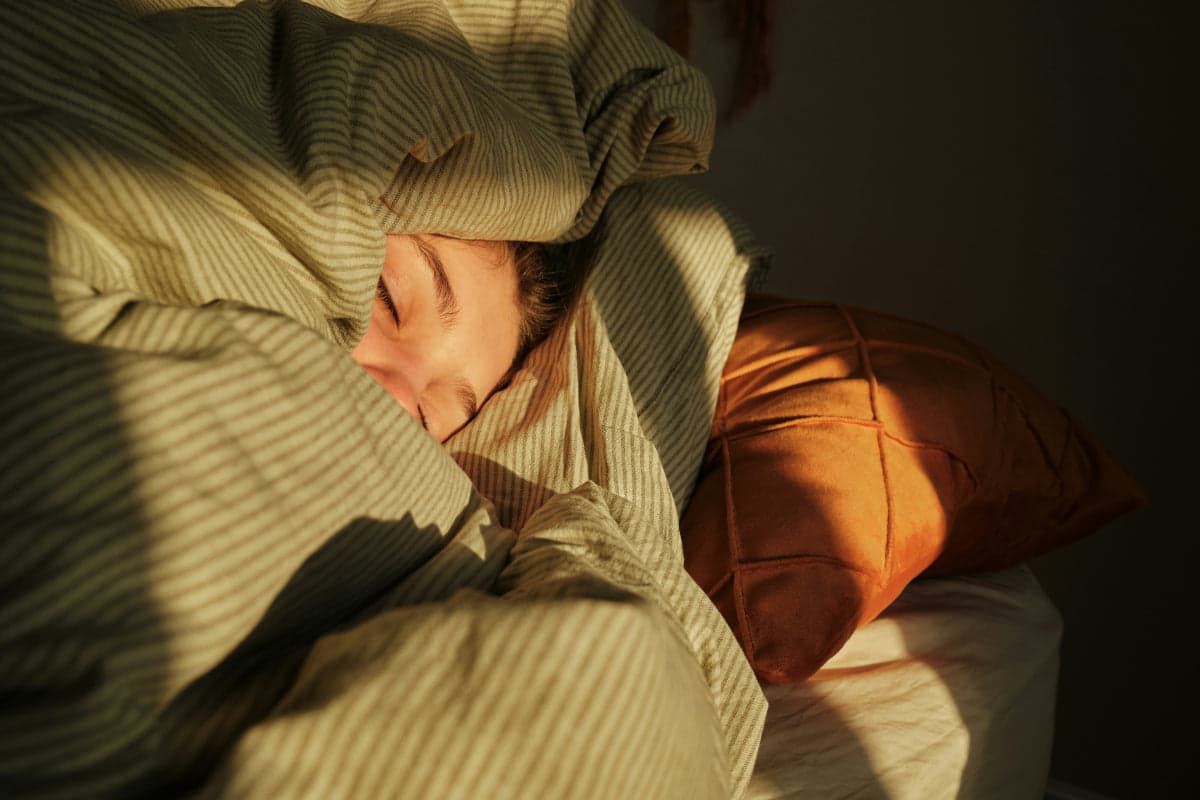
Sleep, it is an elusive state of rest and rejuvenation that keeps us guessing a lot of the time. It can also leave us groggy, bashing that snooze button and unfruitfully yearning for more throughout the day that follows. But what if the key to a better night's sleep lies not just in how long we sleep, but in how we position ourselves in our beds?
Let us dive into the science, with sleep experts now speaking out and stressing the importance of sleep positions for optimal rest, and ultimately, optimal health.
The significance of sleep positioning for optimal health
A sleep position can significantly influence sleep quality, and here’s why:
Side sleeping: the most common comfort
Sleeping on one's side is extremely prevalent and offers several benefits. It can often mean reduced snoring and improved digestion. However, it's essential to ensure proper spinal alignment to prevent any unwanted discomfort.
Using a supportive pillow is a good method to ensure that neck and spine alignment is maintained. Additionally, placing a pillow between the knees can alleviate some causes of lower back strain.
Which side is best to sleep on?
There are significant differences between sleeping on your right or your left side:
Right side: Resting on your right side isn’t ideal for everyone, especially if you’re prone to heartburn or acid reflux—pregnant women, in particular, are often steered towards the left side for better comfort and digestion. There’s also the matter of waking up to a face that feels puffy or shows new lines, courtesy of being pressed into a pillow all night. If that’s a concern, switching to a silk pillowcase might be a simple and skin-friendly solution.
Left side: Sleeping on your left side tends to get the nod for being the healthier choice, and it’s easy to see why. This position can boost circulation to the heart, which is particularly beneficial during pregnancy. It’s also thought to support digestion by helping food move smoothly from the large intestine to the colon, all while reducing strain on the digestive organs.
The upside of the left? Side-sleeping, particularly on the left side, can work wonders for your heart and digestion.
That said, no position is perfect. Left-side sleeping can put added pressure on the lungs and shoulders, which may lead to discomfort for some. It’s all about finding the balance that works best for your body.
A case for mixing it up: Sleeping on your left side has benefits, but experts suggest changing up sleep positions from time-to-time, in order to prevent postural imbalances and some causes of shoulder discomfort from repeated pressure.
Back Sleeping: the double-edged sword
Lying on your back potentially reduces pain, symptoms of acid reflux and has even been suggested to play a role in minimising wrinkles. It is said to be beneficial in maintaining a neutral position of the back and neck, as long as the knees are not pulled in too far towards the chest — a position that can over extend the spine. Add to that, sleeping curled up with your knees to your stomach can compress your lungs and diaphragm, and potentially impact your breathing. Pillow height is also important for this position, allowing the neck to be at an angle which is most natural for optimal musculoskeletal health.
But, on the other hand, it may exacerbate snoring and isn't ideal for those with sleep apnoea . A pillow that is moderately firm, such as a memory foam one, may help in supporting the natural curve of the neck and allow better airflow.
Is it ok to sleep on my stomach?
Stomach sleeping - the precarious position.
Sleeping on the stomach is not often favoured by experts as it can lead to neck strain and lower back pain due to unnatural spine alignment. But, if for you this is your preferred position, using a thin pillow or none at all can be helpful to mitigate some of the strain caused.
In general, it is advisable to train oneself to adopt side or back sleeping positions for their supposed better health outcomes.
Beyond the bed: holistic habits for proper rest
While using the relevant products and considering sleep positions are vitally important, as we have discussed, they all work holistically with other great habits to further enhance the quality of sleep we are getting.
Consistent sleep schedule
Maintaining a regular sleep-wake cycle reinforces the body's natural circadian rhythm. This way, you might find it is easier to fall asleep and wake up, for example. Regulating sleep cycles can be tracked on an App, you could also simply set an alarm to remind yourself that “Your sleep routine begins now”. You can aim for around the same time on weekends, although you don’t have to be super strict with this as our sleep expert explains this and much, much more in our dedicated circadian rhythm article.
Mindful pre-sleep routine
It’s no secret that engaging in calming activities before bed, such as reading or taking a warm soak, signals the body that it's time to wind down. Sleep routines are deeply personal, and there is often no proven formula for each individual who tries it.
You can also consider the importance of certain types of light exposure during the day, and using red lighting at night to signal melatonin release. Research has shown that bright, natural daylight helps to regulate circadian rhythms and maintain alertness, while red-toned light in the evening minimises melatonin disruption, creating an ideal environment for winding down and preparing for restful sleep.
For more inspiration on how to find the perfect sleep routine for yourself, Healf explores Tim Ferriss' sleep routine in an exploratory piece.
Optimise your sleep environment
Ensure your bedroom is cool, dark, and quiet. Consider blackout curtains, earplugs, or white noise machines to eliminate disruptions. In addition, the importance of a comfortable mattress can never be understated.
Limit stimulants and heavy meals
Caffeine, whether in coffee, tea, or chocolate, sticks around longer than you might think—up to 8 hours in some cases. If you're particularly sensitive to its effects, making efforts to cut it out entirely or, at the very least, cutting it off after mid-afternoon can make all the difference to your precious sleep.
Alcohol, though often seen as a relaxant, or a “sleep enhancer” if you will, is on an even playing field with caffeine when it comes to sleep disruption. So, while it may help you drift off initially — it then wreaks havoc on REM sleep, leaving you groggy and unrefreshed.
As for food intake, large meals close to bedtime can invite indigestion and acid reflux. Try to keep dinner light and finish eating 2-3 hours before sleep. If your hunger signals are still present later in the evening, a handful of almonds or a banana can satisfy your hunger and even support better rest.
Creating your sleep sanctuary:
Beyond positioning, there are additional factors to consider with our sleep: the environment and tools we use play a significant role in sleep quality. Here are some Healf-curated products to consider:
A luxurious blend of calming aromatherapy oils designed to promote relaxation before bedtime. Spritzing this on your pillow can create a serene sleep environment.
An advanced sleep solution that regulates temperature, ensuring you remain comfortable throughout the night. Ideal for those who struggle with overheating during sleep.
Dryft Sleep Mouth Tape Sleep Strips
Designed to encourage nasal breathing during sleep, these strips can reduce snoring and improve sleep quality. This product is known to be particularly beneficial for back sleepers prone to mouth breathing.
These earbuds provide active noise cancellation, creating a quiet environment even in noisy surroundings. Perfect for side sleepers who need to block out external sounds.


References:
Klausner A. Sleep expert reveals 3 best positions for your health—and your relationship. New York Post. Published December 13, 2023. Accessed [Date]. https://nypost.com/2023/12/13/lifestyle/sleep-expert-reveals-3-best-positions-for-your-health-and-your-relationship/ .
Raypole C. What does your sleeping position say about you? Healthline. Updated February 26, 2021. Accessed [Date]. https://www.healthline.com/health/healthy-sleep/what-does-your-sleeping-position-say-about-you .
Yetman D. What are the healthiest sleep positions for your heart and overall health? Healthline. Updated November 5, 2024. Accessed [Date]. https://www.healthline.com/health/sleeping-on-left-side-bad-for-heart .
What is the best sleep position? Central Health. Accessed [Date]. https://www.central-health.com/blog/what-is-the-best-sleep-position .
Sleeping positions explained. MasterClass. Accessed [Date]. https://www.masterclass.com/articles/sleeping-positions-explained .
This article is for informational purposes only, even if and regardless of whether it features the advice of physicians and medical practitioners. This article is not, nor is it intended to be, a substitute for professional medical advice, diagnosis, or treatment and should never be relied upon for specific medical advice. The views expressed in this article are the views of the expert and do not necessarily represent the views of Healf
Pippa is a content writer and qualified Nutritional Therapist (DipNT) creating research-based content with a passion for many areas of wellbeing, including hormonal health, mental health and digestive health.
As a contributor to The Healf Source, she regularly attends seminars and programmes on a plethora of contemporary health issues and modern research insights with a drive to never stop learning. In addition, interviewing experts and specialists across The Four Pillars: EAT, MOVE, MIND, SLEEP.
In her spare time, she is an avid swimmer, mindfulness and yoga lover, occasionally bringing a raw, honest approach to the topics she faces. You may also discover some personal accounts of eye-opening wellbeing experiences amidst the reality of a disorientating, and often conflicting, modern wellbeing space.